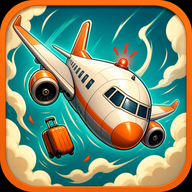
Surviving Dear Passengers Turbulence: How to Handle Chaotic Mid-Air Hazards
Struggling with mid-air mayhem in the new co-op sensation? Learn how to manage Dear Passengers turbulence and keep your flight from crashing.
Mastering the Skies: Why Flight Management is Harder Than It Looks
If you’ve been looking for a co-op game that pushes the boundaries of friendship and sanity, you have likely stumbled upon the absolute chaos of Dear Passengers. Managing Dear Passengers turbulence requires more than just steady hands; it demands perfect communication as your plane falls apart around you. Understanding how to mitigate Dear Passengers turbulence and other environmental hazards is the difference between a successful flight and a hilarious, fiery disaster that leaves your entire crew stranded in mid-air.
The premise is simple: keep the plane flying while dealing with ridiculous obstacles, from rogue security guards to unexpected stowaways. However, the execution is where the game truly shines as a test of your team's ability to prioritize tasks under extreme pressure.
The Most Common Hazards in Dear Passengers
In this indie sensation, players quickly realize that the environment is just as dangerous as the lack of a competent pilot. The game throws a variety of obstacles at your team, often simultaneously.
Hazard Impact Assessment
Player Experience: Navigating the Chaos
According to recent community reports, the game’s physics engine is designed to make even the simplest tasks feel like a Herculean effort. Players have noted that when the plane hits a rough patch, the internal gravity shifts, making it incredibly difficult to transport items like coffee or fire extinguishers.
One of the most frequent complaints—and sources of laughter—involves accidental ejections. If you are standing too close to an open door during a bout of Dear Passengers turbulence, you might find yourself floating in the clouds rather than serving your fellow travelers. It is a testament to the game's "peak chaos" design philosophy that these moments feel intentional rather than frustrating.
Strategic Workflow for Flight Crews
To survive the game's more intense levels, your team must establish a clear hierarchy of responsibilities. You cannot simply run around the cabin aimlessly; you need a dedicated flight attendant, a repair technician, and someone to monitor the cockpit status.
Crew Role Distribution
When Dear Passengers turbulence hits, the "Fixer" should immediately move to stabilize the hull, while the "Steward" ensures that loose equipment is secured. If you leave a coffee pot unsecured, it becomes a projectile that can knock out your teammates, compounding the chaos.
Dealing with Unexpected Environmental Hazards
Beyond the standard flight deck issues, you will encounter bizarre, physics-defying hazards. Community reports often highlight the presence of strange mascots and creatures—like the infamous alligator—that can obstruct narrow hallways.
Hazard Response Checklist
- Assess the Cabin: Identify if the hazard is structural (fire, hull breach) or biological (intruders).
- Assign Tasks: Do not let two players tackle the same hazard; split up to cover the cabin.
- Communicate: Call out incoming Dear Passengers turbulence so players can anchor themselves.
- Prioritize: Hull integrity always comes before passenger service. If the plane is burning, the coffee can wait.
Why Communication is Your Best Defense
In a game this chaotic, silence is your greatest enemy. Because the game relies on team coordination, you should utilize voice chat to warn others about impending hazards. If someone is heading toward the airlock, a quick shout can prevent a teammate from being sucked out into the atmosphere.
For those looking to get into the game, you can find more information or download it through the official Dear Passengers Steam page, where the community actively shares tips on surviving the game's most difficult scenarios.
Comparing Turbulence to Other Game-Breaking Hazards
Not all hazards are created equal. While Dear Passengers turbulence is the most frequent occurrence, other hazards can end a run much faster if ignored.
Frequently Asked Questions (FAQ)
How do I stop falling when Dear Passengers turbulence starts? To minimize the impact of Dear Passengers turbulence, look for interactable handles or furniture that you can grab onto. Staying low and anchored to the floor is the best way to prevent being thrown around the cabin.
Is it possible to recover from an airlock ejection? Generally, no. Once a player is ejected due to Dear Passengers turbulence or an improperly sealed door, they are effectively out of the round. Focus on prevention by keeping doors locked and checking seals regularly.
Why does my team keep failing during the first phase? Most teams fail early because they prioritize passenger service over ship maintenance. Always keep an eye on your fire extinguishers and repair tools before attempting to satisfy passenger requests.
Can I play this game solo? While you can technically navigate the game, it is designed as a co-op experience. Dealing with Dear Passengers turbulence alone is significantly harder, as you cannot manage the cabin and the cockpit simultaneously. Grab some friends to make the experience much more manageable—and infinitely more entertaining.
Related Guides
Dear Passengers Weather Hazards: How to Survive the Worst Crewing Conditions
Master the chaos of extreme weather in your favorite co-op survival games. Learn how to navigate Dear Passengers weather hazards and keep your crew safe.
Mastering Dear Passengers Repairs: A Guide to Handling Mid-Flight Hazards
Learn how to manage Dear Passengers repairs and survive mid-flight hazards in this upcoming indie hit. Get ready for chaotic cabin management.
Navigating Dear Passengers Air Pockets: A Survival Guide to the Game’s Most Dangerous Hazards
Struggling with turbulence? Learn how to master Dear Passengers air pockets and navigate the game's most challenging environmental hazards with our guide.
Surviving Dear Passengers Disasters: A Guide to Co-op Airline Chaos
Master the skies and avoid Dear Passengers disasters with our essential co-op guide to keeping your flight in the air and your passengers happy.